Urban Gardening: Theory & Practice in Swiss Cooperative Housing
Theorie 1, UD
LB Dr. Maryam Khatibi
Fridays, 10:00 am
room N221
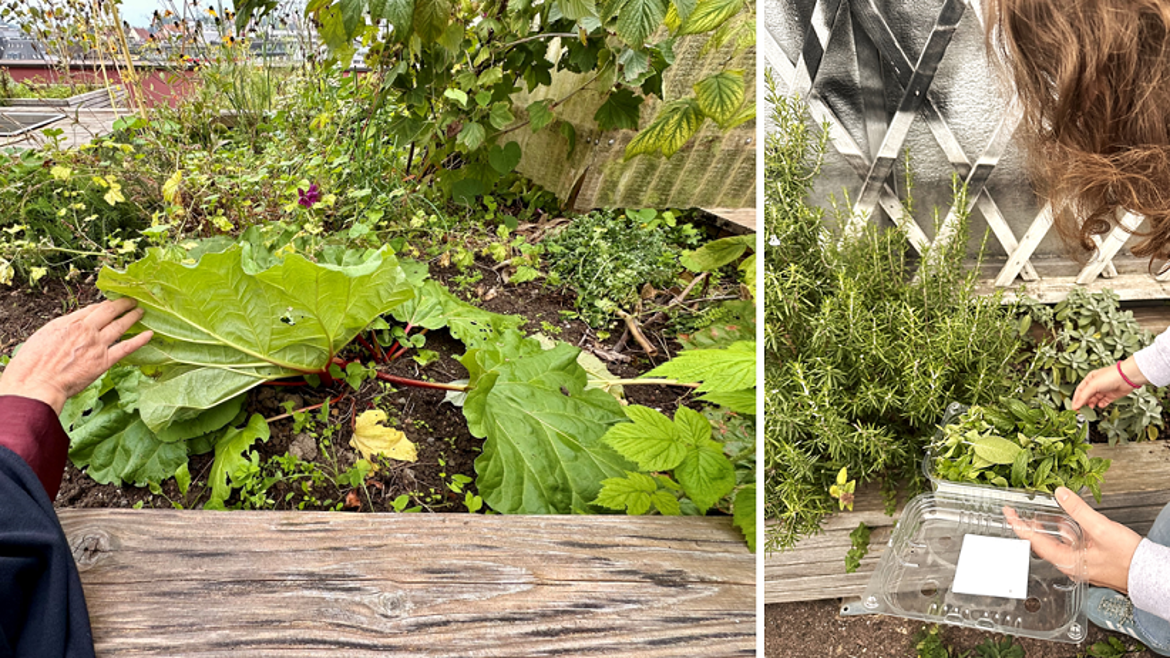
Swiss cooperative housing practices are viewed as innovative models that foster a sense of community belonging and alternative architectural typologies. They redefine urbanity by combining communal forms of living, working, and cultural activities such as urban gardening, conceptualizing the city as a social space.
Cooperative housing in Switzerland encompasses innovative housing cultures that promote residents' participation and sustainable, integrated design, ensuring urban habitability with shared indoor and outdoor residential spaces. Historically, the cooperative spirit is deeply embedded in Swiss culture as a means of addressing collective challenges, such as the tough agrarian conditions in mountainous regions. To this end, the agrarian cooperative model was developed to address the fundamental needs of a society undergoing urbanization in Switzerland following the establishment of the modern Swiss nation-state in 1848 and the rapid industrialization of the latter half of the nineteenth century. Today, cooperatives play a significant role in various sectors across Switzerland, with housing cooperatives having over a century of history in Zurich, while Basel celebrates the 100th anniversary of its cooperative housing culture.
The seminar will be conducted in three phases: an initial introduction and research on the socio-ecological significance of space-efficient design, as well as the integration of collective urban gardening into the housing context. The aim of this first phase is to become familiar not only with the theoretical background but also with the practical approach of the contemporary Swiss cooperative housing model. The guiding question is: How is the participatory design process initiated and conducted with future residents of cooperative housing projects, and what is the rationale behind these procedures? In this context, the Kalkbreite settlement in Zurich and the Westfeld project in Basel, which feature collective outdoor urban gardening spaces, serve as the physical on-the-ground examples for the seminar.
This pre-existing platform will feed into the second phase of the seminar, which includes a field visit at TUM’s Weihenstephan campus, namely the Urban Productive Ecosystems (UPE) lab https://upe-lab.de/. In this context, seminar participants reframe research questions either in small groups or individually, focusing on how collective urban gardens contribute to broader socio-ecological urban planning concepts. The third phase of the seminar focuses on developing sketches, illustrations, and concepts that envision the collective urban gardening culture associated with housing, promoting urban livability.
The main takeaway from the seminar is to conceptualize the house and home today as centers of socially and environmentally conscious living.
Links:
S AM Swiss Architecture Museum, Wohnen fürs Wohnen
Urban Productive Ecosystems (UPE) lab
First meeting and introduction:
Friday, 20.03.26, 10:00 am, room N221