AI, Architecture and the City
FWP 3, AD
Prof. Ruth Berktold
LB Peter Ciganek
Wednesdays, 11:45 am
room N113
CiE
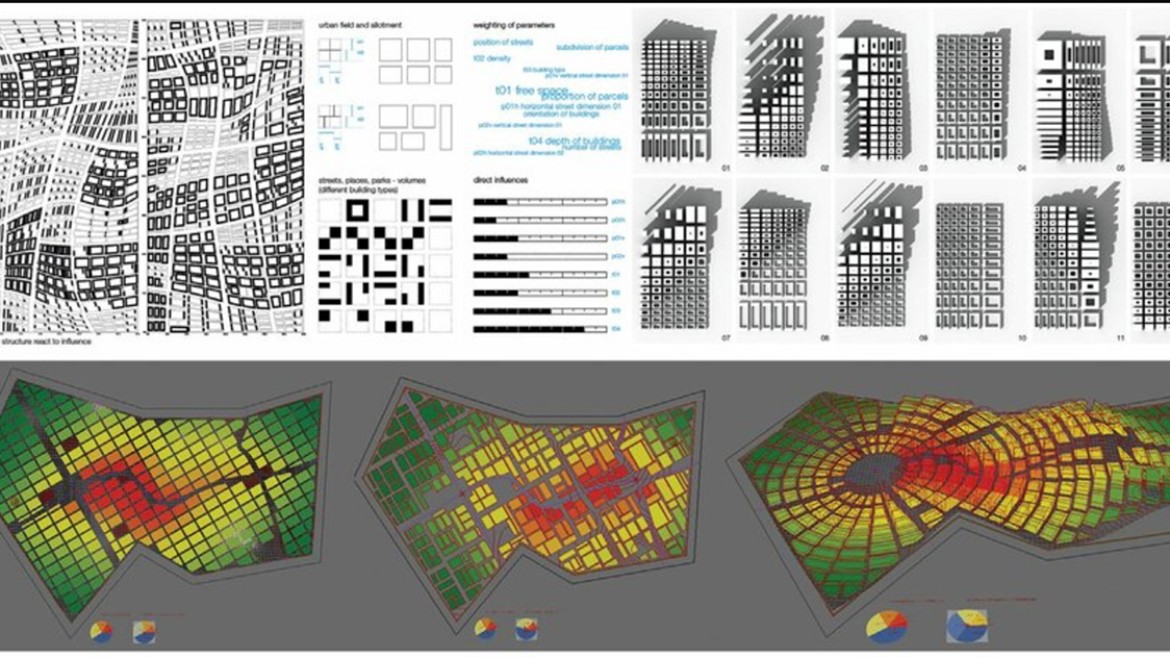
This seminar investigates the implications of artificial intelligence for architectural practice and our conception of the city. Much of the current excitement around large language models reflects both the rapid pace of technological development and the uncertainty surrounding AI’s broader societal impact.
For architects, the pressure to incorporate AI into design and planning processes is increasing. Like earlier technological shifts—such as the introduction of BIM—AI is poised to transform professional practice. New tools will automate tasks, potentially leading to downskilling and downsizing, yet they may also generate new roles and modes of collaboration.
We will experiment with the design possibilities of AI.
Because the technology is evolving so quickly, and since design and production are means rather than ends, AI raises deeper questions for architects. The primary task of architecture is to create and maintain the setting in which a polity can exist. Therefore, the central question posed by AI is how it will challenge and transform our political and social structures.
We will begin by examining the current state of AI in architectural practice, exploring its applications during the first weeks of the semester. Guest lecturers will demonstrate how AI has influenced design and production workflows.
After we will experiment with the design possibilities of AI.
The overarching goal of this course is to investigate how AI may reshape civic and social institutions, and the resulting implications for architecture and urban design.
This course will be held in English.
First meeting and introduction:
Wednesday, 25.03.26, 11:45 am, room N113